Little World Workshop

Miniature Worlds

Handcrafted tiny worlds, landscapes and dioramas, made by hand in Surrey.

A miniature world is more than a small model.

For me, it is about creating a place that feels real and authentic. Somewhere that looks as though it could genuinely exist beyond the edges of the scene.

The landscape, buildings and vegetation should belong together. A path should look as though it has been walked. Timber should have aged with its surroundings. Grass and plants should grow where you would expect to find them.

The scene itself might only be a few inches across, but it should feel like a small part of somewhere larger.

That’s when a model begins to feel like a tiny world.

At Little World Workshop, I create handcrafted miniature worlds, imagined places and tiny landscapes from my workshop in Guildford, Surrey.

What Makes a Miniature World Feel Real?

The materials and techniques used to create a miniature are important, but realism rarely comes from a clever technique, cutting edge tools or adding as much detail as possible.

For me, it comes from a collection of small decisions.

How old is this place?
What has happened here?
Why is it here?
How is nature reclaiming this place?

When I create a miniature world, there are five things I keep coming back to: time, imperfection, vegetation, story and restraint.

Time: Give the Place a Past

A place should feel as though it existed before you saw it.

Timber weathers. Paint fades. Paths become worn and water leaves marks. None of these things happen in isolation; they are evidence of time passing.

When I create a miniature world, I try to imagine what the place might have looked like years before and what has happened to it since.

Even if that history exists only in my imagination, it shapes how the place should look now. I often spend hours, sometimes days, thinking about what might have happened there and how those imagined years would have left their mark.

Imperfection: Avoid Making Everything Too Perfect

Real places are rarely pristine or evenly aged.

A fence might lean slightly. Mud collects in lower ground. One side of a building may weather more heavily than another. Even trees have more moss on one side than another.

I deliberately introduce small variations and imperfections into my work. Not random damage or clutter, but the sort of differences that develop naturally over time.

Without them, a miniature can easily feel assembled rather than lived in.

Vegetation: Let Nature Belong in the Scene

Vegetation is not something I simply add at the end to fill empty spaces.

Grass, weeds, roots and plants help explain the environment.

They grow around objects, follow damp ground, appear in cracks and take over places that are no longer maintained.

I think about why a plant would grow in a particular place and how long it might have been there.

Used carefully, vegetation can tell you as much about a miniature world as the buildings within it.

Story: Suggest What Has or Might Happen Here

The most interesting miniature worlds leave something unexplained.

Small details around the piece give the imagination somewhere to go. They suggest people, events and a life beyond the small part of the world you can actually see.

For me, a hint of a story is usually more interesting than explaining everything.

Restraint: Know What Not to Add

More detail does not automatically create more realism.

Too many objects, colours and points of interest can make a miniature feel cluttered and artificial.

I often spend as much time deciding what to leave out as what to put in.

A quieter area gives the eye somewhere to rest and allows the important details to have more impact.

Sometimes, the most important decision is simply knowing when to stop.

Explore My Miniature Worlds

Not every miniature world is entirely mine.

Some begin with an imagined place. Others are inspired by a memory or a real landscape. Some are tiny, self-contained worlds, while others are created to become part of a much larger miniature world, such as a model railway or wargaming board.

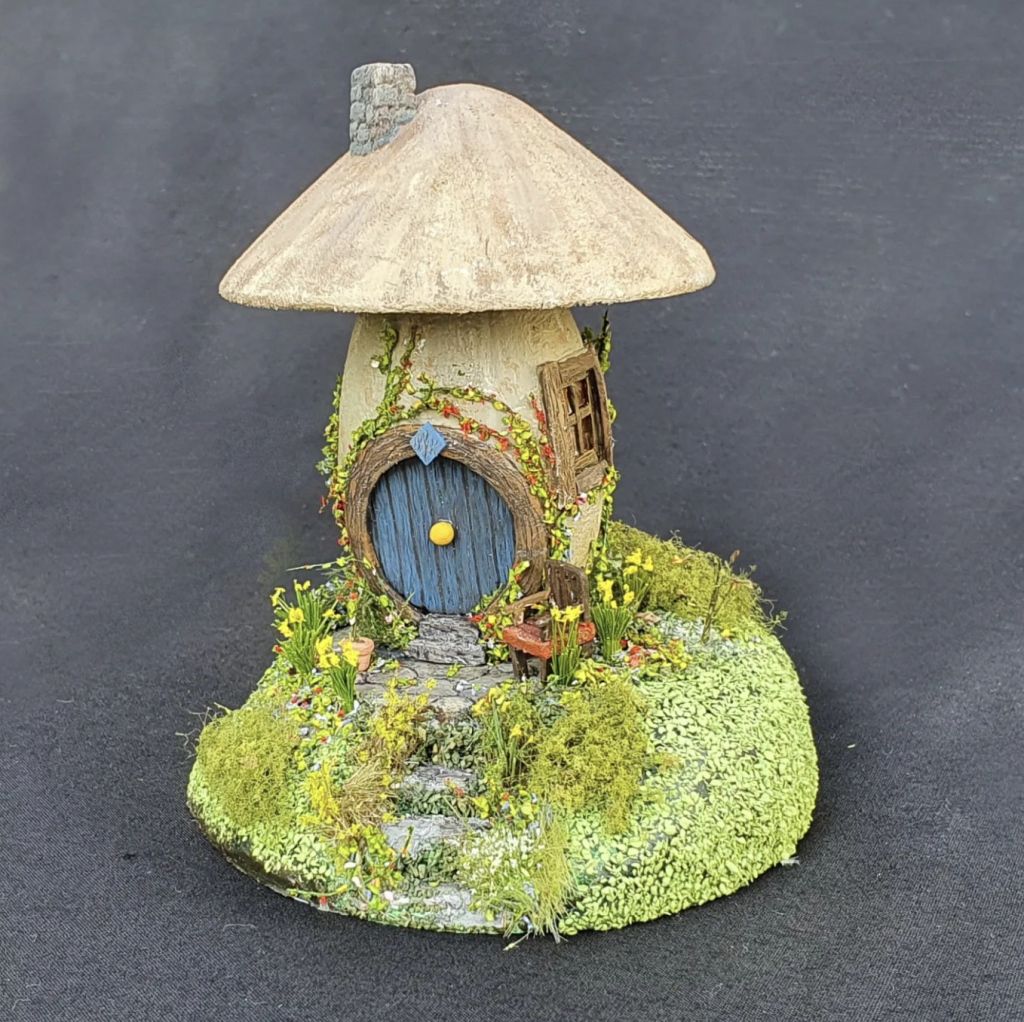
Handcrafted fairy cottage diorama, an example of Little World Workshop's imagined miniature worlds
Imagined

Imagined Worlds

Some places have never existed.

Hidden houses, strange landscapes, forgotten corners and tiny scenes created entirely from imagination.

My fantasy and whimsical miniatures are worlds that have no real address, but I try to give them enough history, texture and small imperfections that they feel as though they might exist somewhere.

Explore Fantasy & Whimsical Miniatures

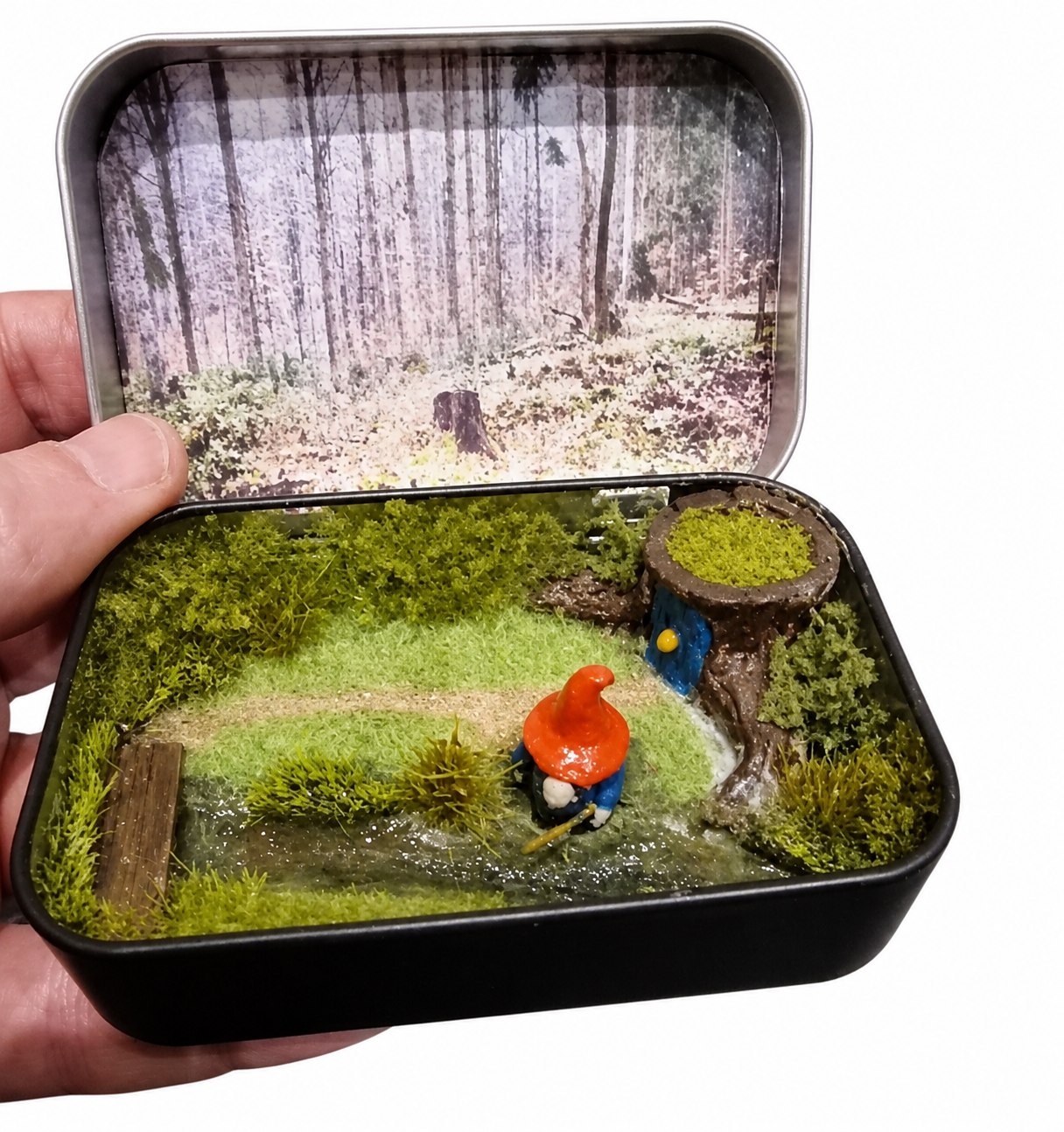
Gnome in a Tin, a Pocket World miniature scene by Little World Workshop
Pocket Worlds

Pocket Worlds

Entire tiny places contained in the palm of your hand.

Pocket Worlds are small, self-contained dioramas created inside tins and other tiny spaces.

A landscape, a joke, a memory or an imagined place reduced to its smallest possible world.

Each one is a tiny scene designed to be opened, discovered and looked at a little more closely.

Discover Pocket Worlds

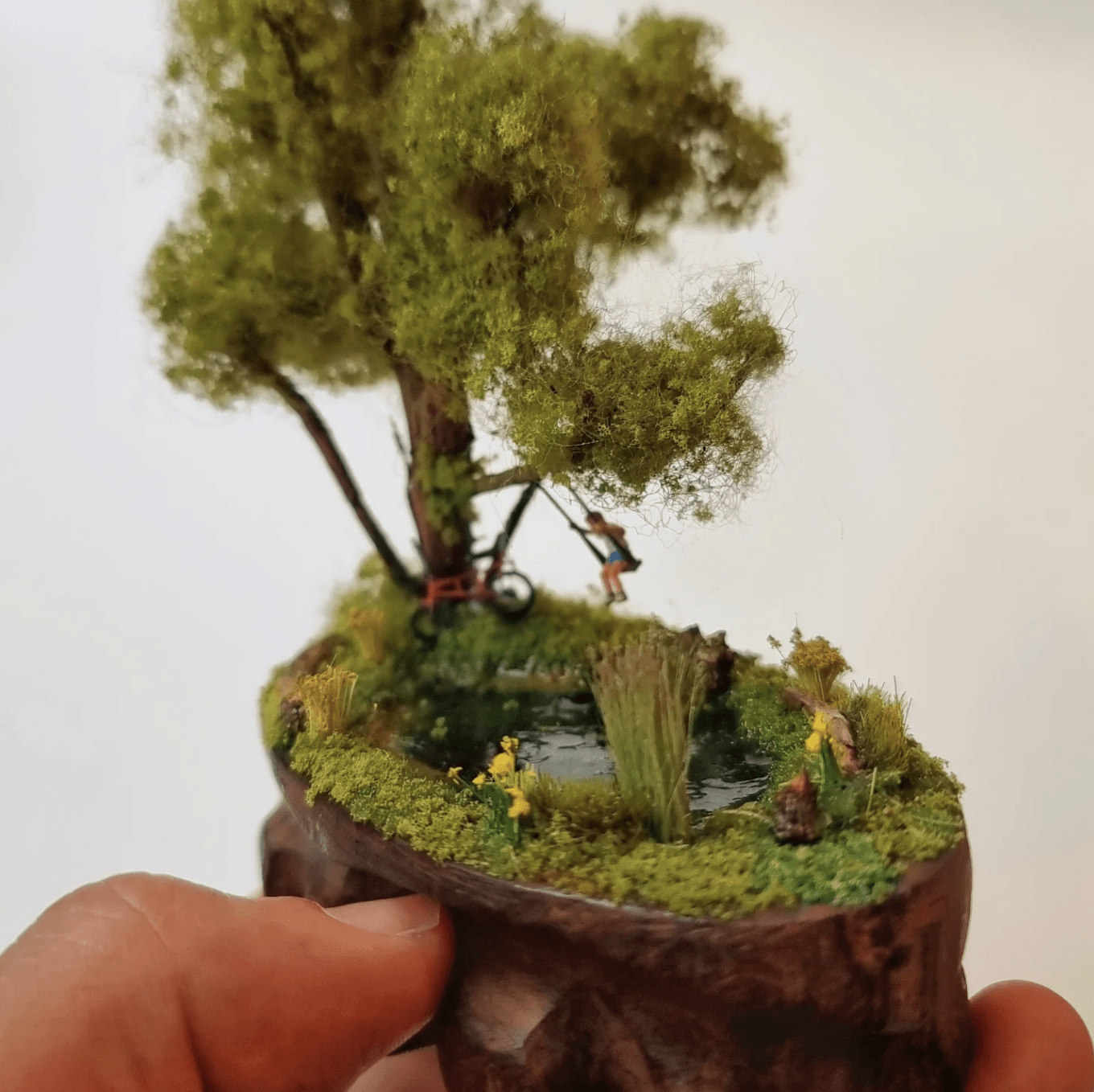
Boy on a pond swing, a nostalgic handcrafted miniature scene by Little World Workshop
Remembered

Worlds Remembered

Some places stay with us long after we have left them.

A childhood garden.

A grandparent’s shed.

A favourite holiday.

An old railway station, village shop or building that no longer exists.

Often, it is not the grandest part of a place that we remember. It is a tiny detail that would mean almost nothing to anyone else.

I create commissioned miniature worlds inspired by meaningful places, memories and the small details people remember most.

Have a Place Recreated in Miniature

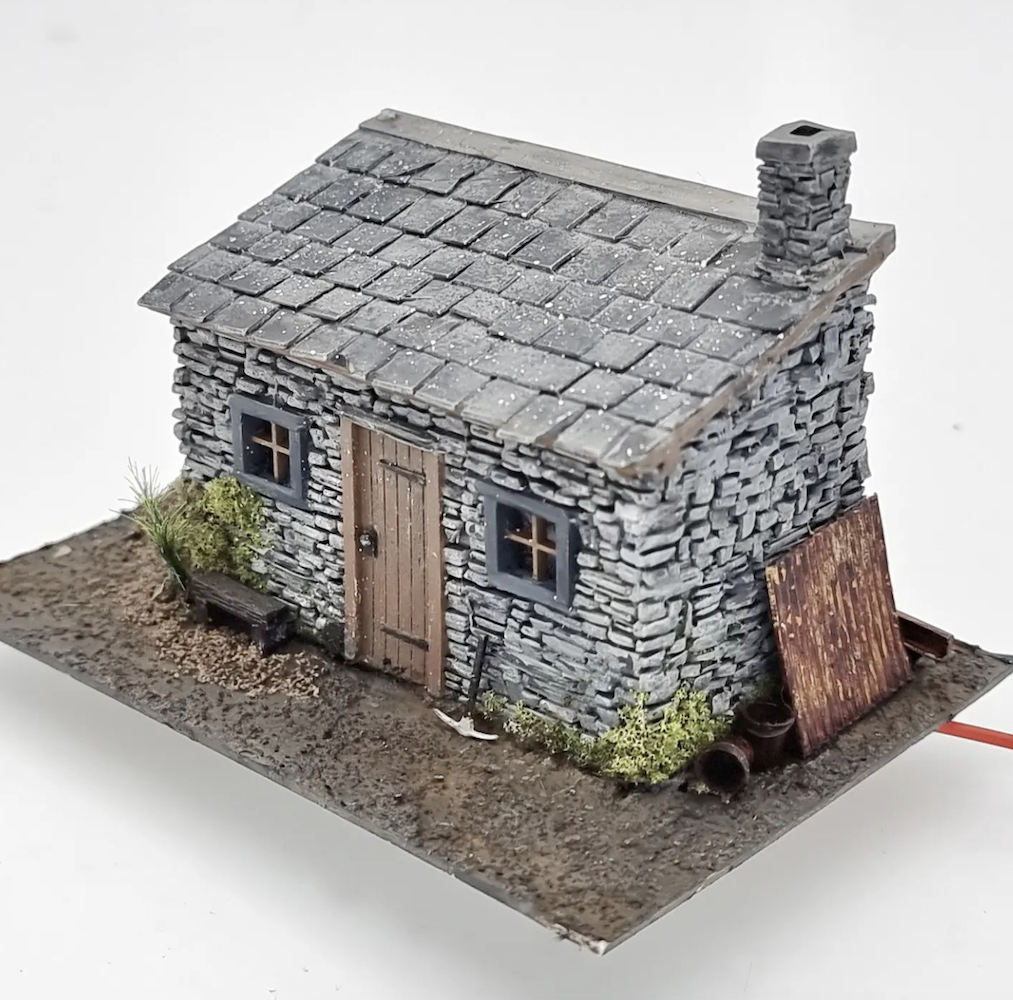
Weathered OO gauge lineside hut, part of a larger model railway landscape
Within Worlds

Worlds Within Worlds

Not every miniature world is designed to stand alone.

I also create handcrafted model railway scenery and wargaming terrain designed to become part of much larger miniature environments.

A weathered lineside hut can help explain the history of a railway landscape. A muddy ditch can make the ground around it feel used and neglected. A ruined stone circle can suggest a history stretching far beyond the game being played around it.

These pieces are created with the same approach as my standalone miniature worlds: attention to time, vegetation, imperfection and story.

Explore Model Railway Scenery Explore Wargaming Terrain
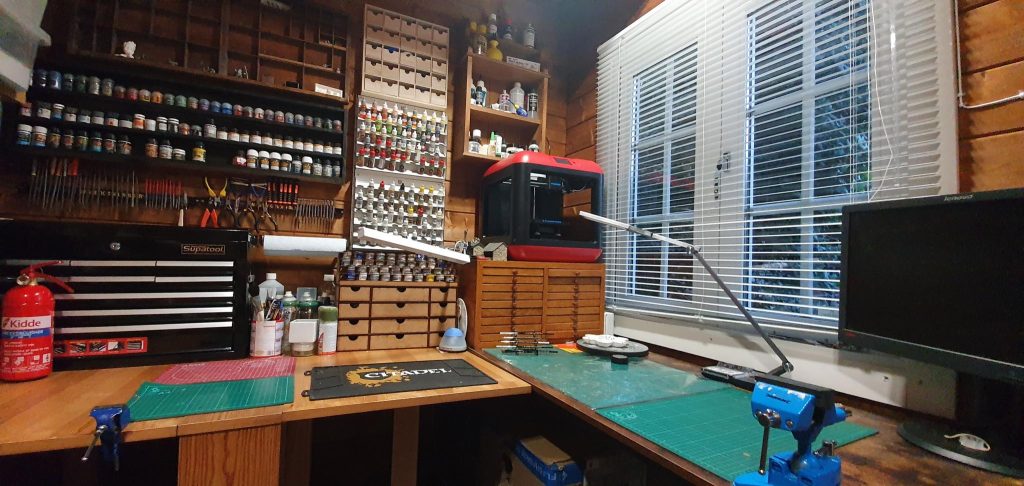
Inside the Little World Workshop studio in Guildford, Surrey
Writing

Thoughts from the Workbench

I spend a lot of time thinking about why some miniature scenes feel believable while others still feel like collections of model parts.

Often, the difference isn’t a more expensive material or a particularly clever technique.

It is a series of small decisions.

Where would water naturally collect?
Which side of a building receives the most rain?
Would somebody really have placed that object there?
Has the vegetation had enough time to grow around it?
Is there too much detail competing for attention?

These are the sorts of ideas I explore in my writing from the Little World Workshop workbench.

I write about realism, atmosphere and the decisions behind my miniature worlds. Not simply how something was made, but why I chose to make it that way.

You can explore my latest articles and thoughts from the workbench on the Little World Workshop blog.

Explore Thoughts from the Workbench
Join Me at the Workbench

Little World Workshop is a real working miniature studio in Guildford, Surrey.

There are usually several tiny worlds taking shape at once, along with experiments, half-finished ideas and the occasional piece that changes direction entirely once I begin making it.

I occasionally share new miniature worlds, ideas about realism and atmosphere, and the small decisions behind my work.

If you enjoy tiny places and would like a glimpse behind the scenes, you are very welcome to join me at the workbench.

Join Me at the Workbench

Occasional emails with new work, ideas and stories from Little World Workshop.

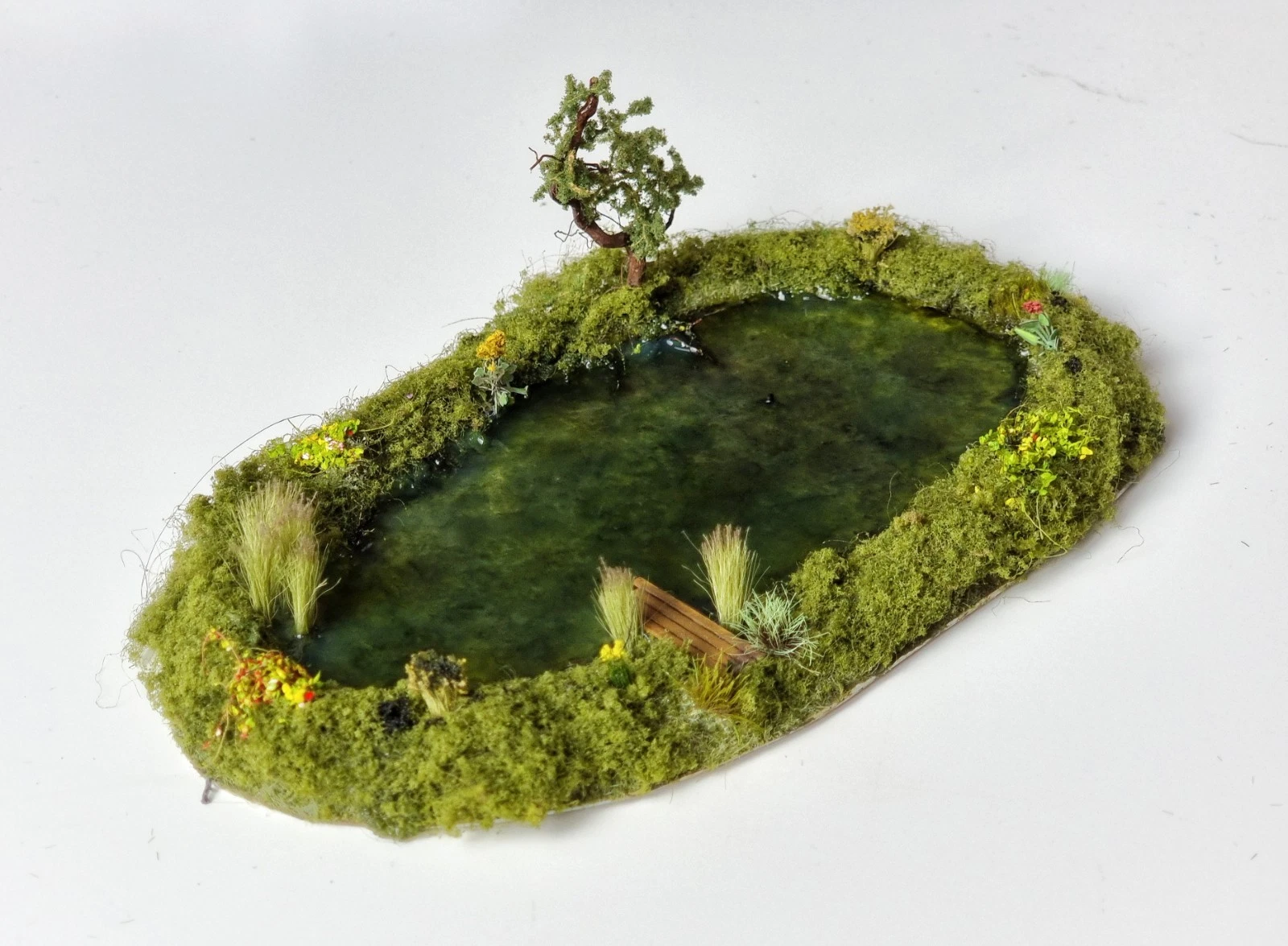
Handcrafted OO gauge pond scenery, an example of the model-making techniques covered on Model Railway Engineer
Make

Want to Make Your Own Miniature World?

Perhaps looking at miniature worlds has made you want to pick up some tools and create one yourself.

My writing at Little World Workshop tends to focus on the ideas, observations and decisions behind my work.

For more practical model-making techniques, I also run Model Railway Engineer.

Despite the name, many of the techniques I write about apply to almost any miniature landscape.

Realistic grass and vegetation.
Water.
Weathered timber and buildings.
Trees.
Mud, rock and earth.

The railway is optional. The techniques are not.

Learn How to Make Miniature Landscapes

A World Doesn’t Have to Be Large to Feel Real

Sometimes it is only a few inches of muddy path.
A weathered shed.
A tree beside a tiny river.
A light left glowing in a window.

Give a place a past, leave a little of its story unexplained and allow the imagination to wander beyond the edge of the scene. That’s when a model begins to feel like a world.